


A Guide for Educators: Helping Candidates Meet BOC Emergency Cardiac Care Requirements
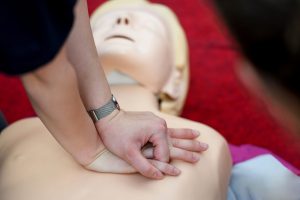 As an educator preparing the next generation of certified Athletic Trainers (ATs), it’s essential to guide athletic training candidates toward Emergency Cardiac Care (ECC) courses that meet BOC requirements. The right ECC course both satisfies certification requirements and equips candidates with essential, lifesaving skills they’ll use throughout their careers.
What an ECC Course Must Include
To meet BOC requirements, an ECC course must cover all the following components:
- Adult CPR
- Pediatric CPR
- Second Rescuer CPR
- AED (Automated External Defibrillator) use
- Airway obstruction management
- Barrier devices (e.g., pocket mask, bag valve mask)
- Demonstrated hands-on skills
When evaluating courses, verify that each of these elements is explicitly included and taught at a professional level.
Commonly Accepted Courses
The American Heart Association’s Basic Life Support (BLS) course is a widely accepted option that meets BOC requirements. In contrast, the AHA Heartsaver course does not meet the professional-level requirement and will not be accepted for BOC certification. For other accepted courses please visit the Emergency Cardiac Care webpage.
Avoiding Certification Delays
Encourage candidates to register for an approved ECC course early and keep their certification current. Remind them that they must maintain and renew their ECC certification at this level continuously, regardless of practice or setting. This proactive approach helps prevent delays in certification and ensures candidates are prepared to provide high-quality care as certified ATs.
Key Takeaway for Educators
Review ECC course descriptions carefully, confirm they meet BOC requirements, and guide candidates accordingly. By doing so, you’ll support their success on the path to certification and equip them with critical emergency skills for the future.